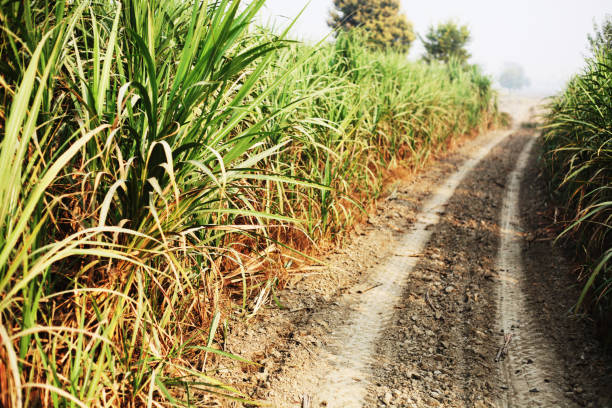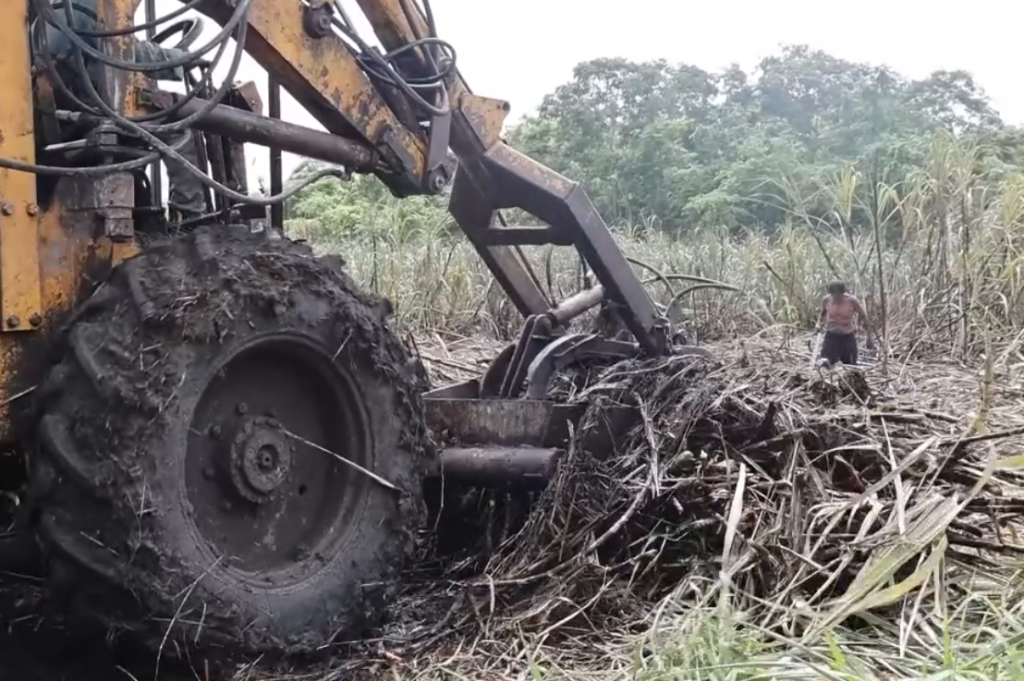
By Belize Live News Staff: The sugar industry in northern Belize has been forced to pause its harvest due to poor cane quality caused by recent heavy rains. The persistent wet weather has resulted in sugarcane filled with excess mud, creating significant challenges for both farmers and the factory.

During a Zoom press conference, William A. Neal, Communications Officer for ASR/BSI, explained the reasons behind the shutdown:
“This is not a good time to be harvesting because obviously, the amount of mud and the difficulty that farmers have to extract their cane makes it extremely difficult. So you spend far more energy, in terms of physical energy and also, gas, etc., to actually bring cane to the factory once they’re at the factory. We have to really deal with more than double the amount of mud that the factory can afford to process at this juncture.”
Neal emphasized that the combination of poor cane quality and the high cost of processing the muddy sugarcane makes it unfeasible to continue harvesting at this time.
“So it’s really not a good time to actually continue with the cane season, simply because the challenges at the farm level and at the factory level are just extraordinary. The cost in terms of what we’re spending to try and extract sugar from cane that has very poor quality at this juncture, simply because the rains have been so consistent, makes it, you know, just not viable for us to continue, with the cane crop at this juncture.”
The excessive mud not only impacts the extraction process but also causes wear and tear on factory equipment, increasing operational costs. Neal noted that grinding sugar mixed with dirt accelerates equipment breakdowns, adding to the financial burden.
“And then the impact on the factory is also, you know, costly because you’re grinding mud board and you’re grinding sugar and the dirt when it gets into the cogs of the factory itself. You know, creates break down and wear and tear that is unusual.”
Additionally, farmers have been unable to meet their daily quotas, contributing to an overall deficit in cane supply and a projected decline in cane prices and earnings.
“And even when we have, request in terms of the amount of cane that we’d like to bring to the factory on a daily basis, we’re not meeting those quotas at all. So we know that we’re operating in deficits all around. And so we’ll definitely see a fall off in terms of cane price and the estimate.”
Neal acknowledged the financial losses that both farmers and the factory will incur due to the shutdown, stating that farmers will likely share the same sentiment regarding the harvest pause.
“This is really the best-case scenario for farmers and for the mill. They cannot take out their cane, the quality of the cane is so poor that you’re paid for sugar. You won’t be bringing sugar to the factory. So I think the best case situation is to do exactly what we’re doing and to have an industry pause.”
Compounding the challenges, the factory’s power supply has also been affected. BELCOGEN, the bagasse-powered plant that supplies power to BEL’s national grid, has been forced offline due to critically low levels of bagasse in stock.