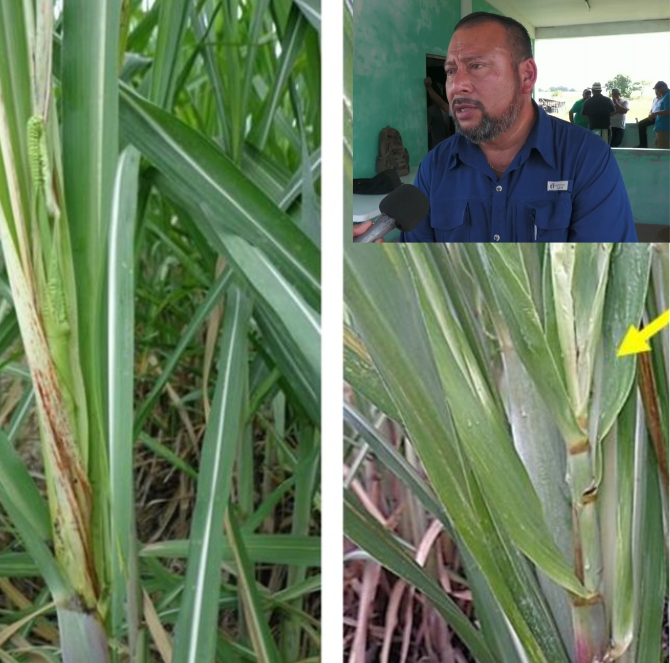
By Belize Live News Staff: Belize’s agricultural sector is grappling with a severe outbreak of fusarium fungus, which has already affected approximately 40,000 acres of sugar cane fields in the northern region. In a recent address, Minister of Agriculture Jose Mai expressed concern over the escalating spread of the disease and emphasized that there is no quick solution to this costly and environmentally challenging problem.

“There is no magic bullet for fusarium,” Mai stated, explaining that traditional fungicide treatment would be insufficient to cover the extensive area impacted and would pose significant environmental risks. Instead, he advocated for a multifaceted, integrated approach to tackling the fungus. “We need to consider a variety of strategies, including the use of biologically controlled agents, disease-resistant crop varieties, and improvements in water management,” he said. Mai noted that the high moisture levels in the fields are exacerbating the spread of fusarium, calling for more effective water drainage and irrigation practices.
The Minister also highlighted the potential risks associated with spraying practices, cautioning that traditional spray techniques could inadvertently spread the fungus to unaffected areas. “Using pumps and spraying directly in the fields can lead to contamination across other regions,” he warned, suggesting that innovative solutions like aerial spraying with drones might offer a safer alternative.
Mai concluded by acknowledging the scope of the damage remains uncertain. He reiterated the need for an integrated approach that combines technology, sustainable practices, and continued research to control the spread of fusarium effectively. As Belize’s cane industry faces this formidable challenge, the Ministry of Agriculture is working with experts and farmers to explore viable solutions.