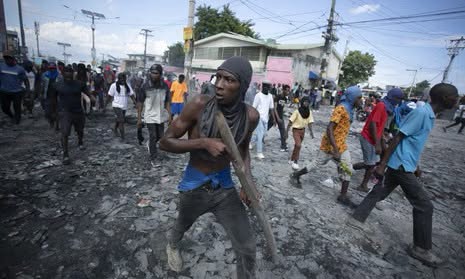
By Belize Live News Staff: Haiti’s gang crisis offers a stark picture of what happens when criminal groups are allowed to take over communities, and how young people get pulled in.

According to the United Nations, as much as 90% of Port-au-Prince is under gang control, with at least 26 gangs operating in and around the capital. The UN estimates that half of Haiti’s gang members are under 18, many lured by promises of food, money and protection. More than 1.4 million people have been displaced, and 1,123 Haitians were killed between July and October this year.
Belize is nowhere near that level of crisis, but the warning signs around youth recruitment are familiar. National Security Minister Michel Chebat has said adults are luring vulnerable young Belizeans into crime. Government is now proposing tougher penalties for adults who use minors, allowing minors who commit serious crimes to be charged as adults, and a Second Chance programme for youth aged 15 to 23.
The debate over how to respond is also playing out here. Chebat plans to visit El Salvador to study Bukele’s methods. Meanwhile, attorney Dickie Bradley has warned that the Court of Appeal ruled a state of emergency cannot be used as a crime fighting tool, and that the real solutions lie in social, economic and family problems. Opposition Leader Tracy Panton has called for mediation to be backed by real policing, investigations and youth programmes.
In Haiti, Bukele has urged citizens to “rise up” and reclaim their communities, while even offering to destroy a gang leader’s house if someone gave him the address.
For Belize, the lesson from Haiti may be that the best time to stop gangs is before they take hold, by giving young people real alternatives before criminals offer them one.