By Belize Live News Staff: A new report from the Inter-American Development Bank is shining a light on what Belize needs to do to secure its economic future, and it points to some clear priorities, from empowering women to strengthening infrastructure and protecting the country’s natural assets.

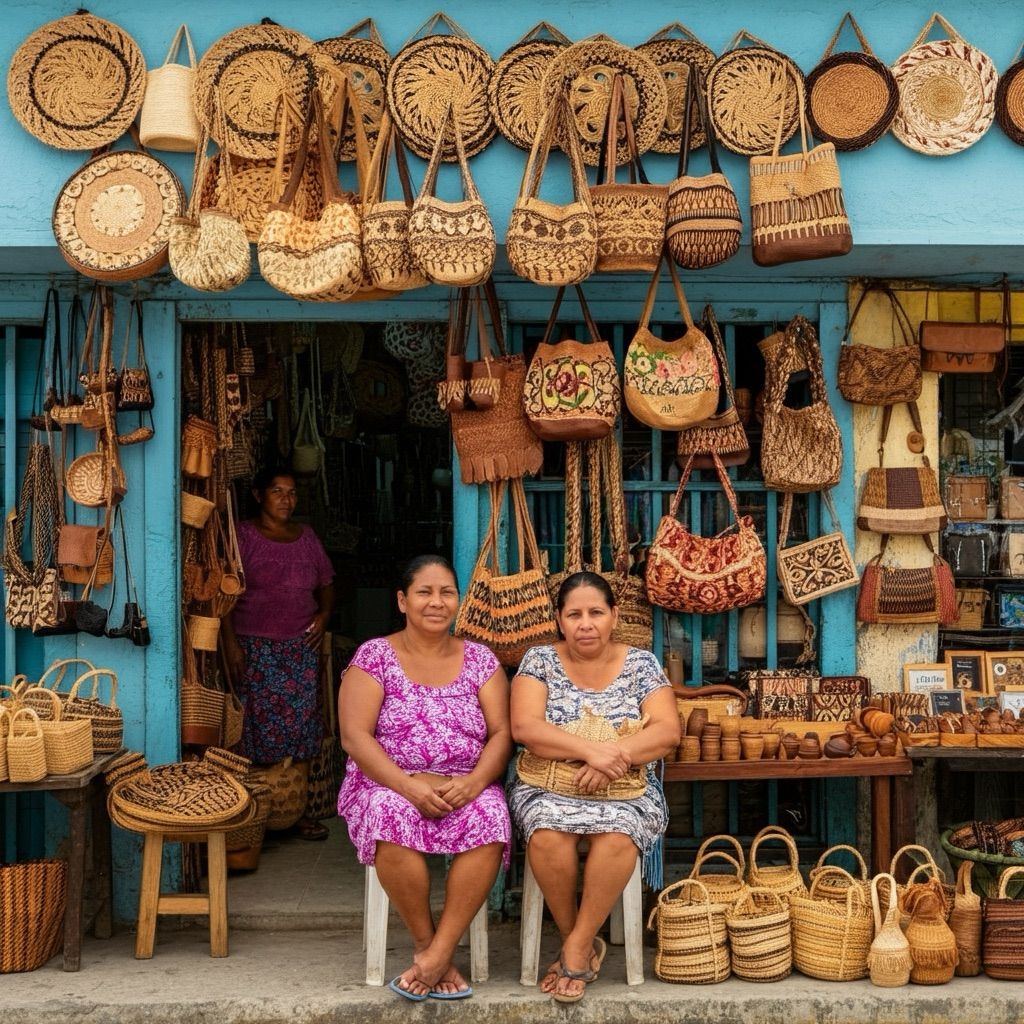
The report, part of the IDB’s BIDeconomics series and titled “Landscape of Opportunities: Belize,” acknowledges the country’s impressive post-pandemic recovery, but argues that sustaining it will require deeper changes. Among the most striking findings is the central role of women in the economy. According to the IDB, women lead roughly 80 percent of Belize’s microenterprises, yet women-owned businesses continue to face greater hurdles in accessing finance, formalizing, and getting business support.
The report describes this as both a social and an economic issue. Belizean women actually outperform men in educational attainment, but they participate less in the labour market and tend to be concentrated in lower-productivity, informal jobs. Barriers such as limited access to childcare, finance, and asset ownership hold them back. Expanding women’s economic opportunities, the IDB says, could become one of the country’s most important sources of productivity growth.
Infrastructure is another area of concern. The report notes that Belize’s road networks remain highly vulnerable to flooding and natural disasters, the energy system depends heavily on imported electricity, and digital connectivity is uneven across the country. These gaps hit rural communities and smaller businesses the hardest, limiting both competitiveness and inclusion.
Environmental vulnerability runs through the entire analysis. Because tourism, agriculture, fisheries, and coastal infrastructure all rely on a stable environment, the IDB warns that hurricanes, floods, droughts, and coastal erosion already cause significant economic losses and recurring fiscal pressure. At the same time, the report frames Belize’s natural capital, its marine ecosystems, forests, and biodiversity, as one of its greatest strategic assets, pointing to the country’s innovative Blue Bond as a model for how conservation and sound financial management can reinforce each other.
The IDB also flags human capital as a critical constraint, noting that educational attainment lags regional averages and that many young people remain outside both education and formal work. Still, the report strikes an optimistic note overall, highlighting Belize’s strategic location, English-speaking workforce, natural wealth, and entrepreneurial energy as strong foundations to build on, provided the country invests in the infrastructure, skills, and institutions needed to turn its recovery into lasting growth.