By Belize Live News Staff: Let us be honest about something. Most Belizeans are not losing sleep over debt-to-GDP ratios. They are not sitting at home worrying about fiscal surpluses, economic recovery percentages, or whatever clever phrase experts use this month to make the national situation sound better. Those numbers may be real, but they are not the full story.

Too often, economic statistics become a distraction. They allow politicians, technocrats, and commentators to argue about the economy without ever talking about the people forced to live inside it. So let us talk about the people. Let us talk about the average Belizean who is working harder than ever and still falling further behind.
What should keep Belizeans awake at night is not only the national debt. It is corruption. It is government waste. It is poverty. It is low productivity and a standard of living that, for many citizens, is quietly slipping backward while official headlines insist everything is improving.
The uncomfortable truth is that the Belizean economy is doing well for some people. For a small group, it is doing extremely well. The contracts, the land, the imports, the licenses, the deals, and the real opportunities remain concentrated in a few hands. The same names, the same families, and the same connected circles always seem to eat first.
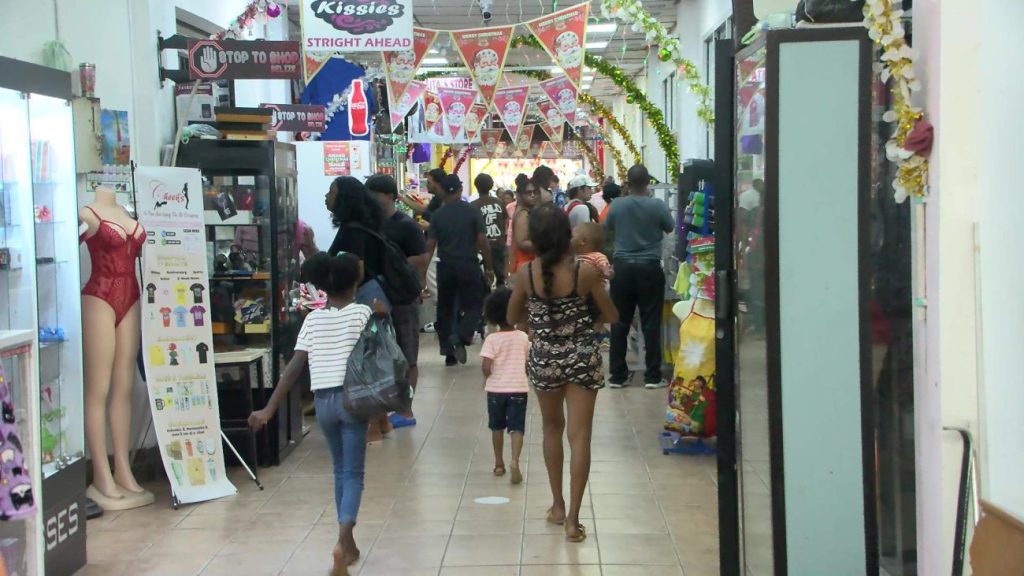
Everybody else is left fighting over what remains. The average Belizean wakes early, comes home late, and works harder than his father ever did. Yet at the end of the month, after rent, light bill, water, groceries, school expenses, transportation, and emergencies, there is often nothing left. Nothing to save, nothing to invest, and nothing meaningful to pass on to his children.
He does not own his home. He rents it, often from someone who owns several. He does not own a business. He works inside someone else’s. He is one sickness, one accident, or one lost paycheck away from financial collapse.
That is not prosperity. That is survival dressed up as progress. Belizeans are told the economy is recovering, but many families do not feel recovery in their kitchens, wallets, classrooms, or bank accounts. A country cannot call itself successful if its ordinary workers are trapped in permanent survival mode.
Let us say the hard thing plainly. The average Belizean is slowly becoming a stranger in his own economy. Not because he does not work. Not because he does not try. But because the system increasingly rewards connection over effort, access over ability, and political proximity over honest productivity.
He pays taxes. He pays GST on almost everything he touches. He pays fees, duties, licenses, and charges. But what does he often get in return? Too often, he sees waste, bloated spending, questionable contracts, expensive consultants, political favors, and projects that cost far more than they should while delivering far less than promised.
The clinic has no supplies, but somehow money was found elsewhere. The road is full of holes, but somehow connected contractors still get paid. The school is struggling, but public money continues disappearing into systems ordinary people cannot properly see or question. That is why frustration continues growing across the country.
The concentration of wealth at the top and the waste inside government are not separate problems. They are connected. Corruption is the bridge between them. It is how public money quietly becomes private fortune.
This is how “who you know” continues to beat “what you can do.” It is how ordinary Belizeans lose faith in fairness. It is how young people begin to believe that honest effort alone may not be enough to build a future in their own country. That belief is dangerous because once people lose faith in fairness, they either leave, disengage, or become bitter.
Then Belize wonders why productivity remains weak. Why would productivity thrive in a system that often rewards access more than creation? Why would people build, innovate, and take risks if the easiest path to wealth appears to be getting close to political power? A country cannot become truly rich by rewarding gatekeeping instead of enterprise.
Belize imports too much and produces too little. It consumes more than it creates. It talks about development while too many young people see migration as their best chance at a decent life. That is not just an economic issue; it is a national warning sign.
So maybe Belize needs a different scoreboard. Instead of only asking whether the debt ratio improved, we should ask whether the average Belizean can afford a decent life. Can a young couple buy land or build a home? Can a worker raise children, see a doctor when sick, and still save something at the end of the month?
Can an honest person get ahead without connections, political favors, family name, or party card? Can a small business owner compete fairly against connected interests? Can a young Belizean with ambition build something meaningful without begging the system for permission? If the answer is no, then the economy is failing the very people it was supposed to serve.
This is what Belize should be fighting about. Not empty political noise. Not partisan slogans. Not economic semantics designed to make people feel better while their lives become harder. The real issue is whether ordinary Belizeans are gaining ownership of their country or being pushed further to the margins of it.
Break the concentration. Cut the waste. Punish corruption. Open the economy so people with good ideas and no connections can actually compete. Make it easier to build something than to beg for something.
Government must stop treating public money like private opportunity. Public office must stop being a pathway to private enrichment. Belize cannot keep building a society where a small group owns the best pieces of the country while the majority are told to be grateful for jobs that barely keep them alive. That model is not sustainable.
An economy is not a chart. It is a mother deciding which bill to skip this month. It is a young man wondering whether he must leave Belize to have a future. It is a father working two jobs and still unable to save. It is a hardworking people slowly realizing that no matter how hard they push, the ground keeps shifting beneath their feet.
Belize does not have an economy problem that can be solved by waving around statistics. Belize has a deeper problem of ownership, fairness, productivity, and power. The real question is not whether the economy is growing. The real question is who is benefiting from that growth.
Until the average Belizean owns a real piece of this country’s future, all the recovery talk in the world will mean very little. A nation cannot be considered successful when its people feel excluded from the wealth being created around them. Belize must decide whether it wants an economy that serves the connected few or a country where ordinary citizens can finally rise.
The numbers may matter. But the people matter more.